
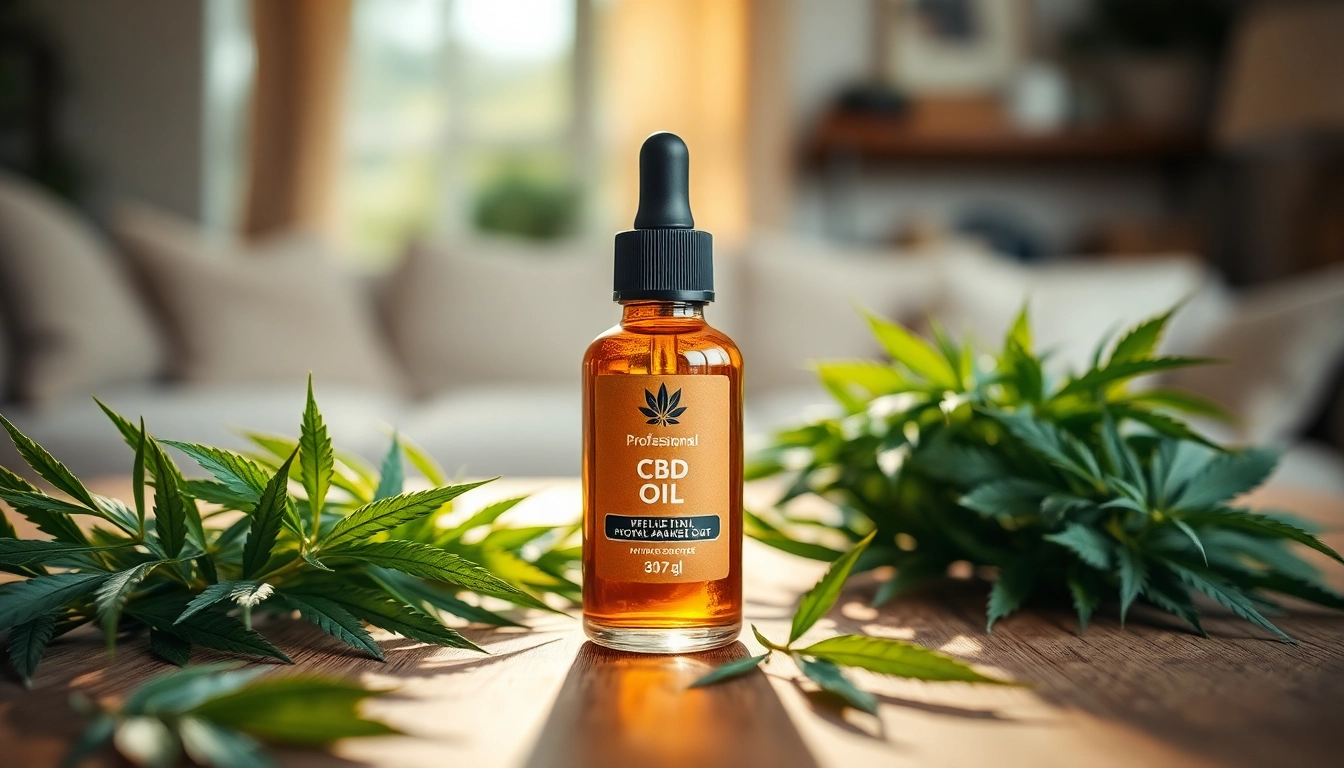
Understanding CBD Oil: A Comprehensive Introduction
What is CBD Oil and How is it Extracted?
CBD Oil, or cannabidiol oil, is a natural product derived from the Cannabis sativa plant, particularly from hemp. Unlike its more famous counterpart, tetrahydrocannabinol (THC), CBD does not produce psychoactive effects, meaning it won’t give you a “high.” Instead, it has gained recognition for its potential therapeutic benefits. Extraction methods play a crucial role in determining the purity and potency of CBD Oil. The most popular extraction methods include CO2 extraction, ethanol extraction, and oil infusion.
CO2 extraction is often considered the gold standard, as it preserves the integrity of the cannabinoids and terpenes while eliminating harmful substances. Ethanol extraction is also effective but may extract some undesirable compounds. Oil infusion, while more straightforward and cheaper, often results in a less concentrated product. A high-quality CBD Oil retains beneficial compounds and offers a full spectrum of potential health benefits. CBD Oil is famous for its diversity and applicability in wellness routines.
Key Differences Between CBD Oil and Other Cannabis Products
Understanding the distinctions between CBD Oil and other cannabis products is crucial for consumers. The primary difference lies in the cannabinoid content. CBD Oil contains significant levels of cannabidiol and minimal amounts of THC (if derived from hemp), while cannabis products may have significant THC levels, which give them psychoactive properties.
Additionally, CBD Oil is primarily used for therapeutic purposes, such as pain relief, anxiety reduction, and sleep improvement without the intoxicating effects associated with THC. In contrast, traditional cannabis products often appeal to recreational users seeking those intoxicating effects.
Legal Status of CBD Oil in the United States
The legal status of CBD Oil has evolved dramatically in recent years. The 2018 Farm Bill legalized hemp-derived CBD products at the federal level, provided they contain no more than 0.3% THC. However, regulations can vary significantly from state to state. Some states have embraced the CBD Oil market, while others impose stricter regulations or outright bans.
It’s essential for consumers to understand their local laws, especially if they plan to purchase or use CBD Oil. Staying informed helps avoid potential legal complications and ensures safe consumption practices.
The Health Benefits Associated with CBD Oil
Potential Relief for Chronic Pain and Inflammation
CBD Oil is widely recognized for its potential analgesic (pain-relieving) and anti-inflammatory properties. Research indicates that CBD may interact with the endocannabinoid system, which plays a critical role in regulating pain perception and inflammation response. Many users report reduced pain levels and improved quality of life due to CBD's administration.
Conditions such as arthritis, fibromyalgia, and multiple sclerosis are often cited in studies exploring the benefits of CBD Oil. Anecdotal evidence from users reinforces these findings, with numerous testimonials indicating substantial relief from chronic pain when using CBD Oil consistently.
Evaluating CBD Oil's Role in Reducing Anxiety
Many individuals struggling with anxiety have turned to CBD Oil as a natural alternative to traditional pharmaceuticals. Initial studies suggest that CBD may help alleviate anxiety by affecting serotonin receptors in the brain. Serotonin is a neurotransmitter that plays a vital role in mood regulation.
Users often note experiencing a calming effect and reduced symptoms of anxiety when incorporating CBD Oil into their wellness routine. While further clinical studies are needed to fully understand this effect, emerging evidence shows promise for managing anxiety disorders.
CBD Oil's Potential Effects on Sleep Disorders
Sleep disorders are increasingly common, and many individuals are seeking alternatives to over-the-counter sleep aids. CBD Oil has been explored for its potential to improve sleep quality and manage insomnia symptoms. Research indicates that CBD may help regulate sleep cycles, reduce sleep disturbances, and promote a more restful night.
Anecdotal reports suggest that taking CBD Oil before bedtime can aid in achieving deeper sleep and fewer interruptions throughout the night. This effect could be attributed to its relaxing properties and potential to reduce anxiety and pain, both of which can interfere with sleep.
How to Choose the Right CBD Oil for You
Understanding Extraction Methods and Their Impact
The extraction method used to obtain CBD Oil significantly affects its quality and effectiveness, as previously discussed. Understanding these methods is crucial when selecting a product. Look for transparency regarding the extraction methods used and research the reputation of the brands to ensure quality.
Always opt for products that employ safe extraction methods to maximize the beneficial compounds in the oil. Transparency regarding the extraction process is often a good indicator of a brand's commitment to quality.
Guide to CBD Oil Potency and Dosage Options
Finding the right potency and dosage of CBD Oil can be a trial-and-error process, as individual responses can vary. CBD Oil is available in various strengths, ranging from low to high concentration. Begin with a low dosage and gradually increase until desired effects are achieved.
Moreover, some CBD products come in different forms such as tinctures, capsules, and topical applications. Consider what method of usage best suits your lifestyle for effective results. Consulting a healthcare professional can also provide valuable guidance in determining the appropriate dosage.
Assessing Product Quality: What to Look For
When selecting CBD Oil, quality assurance is essential. Look for products that offer third-party lab testing, which ensures that the oil has been tested for purity and potency. Clear labeling can be a good indicator of quality, ensuring that what is on the label corresponds accurately with what is in the product.
Consideration should also be given to the sourcing of ingredients. Organic hemp cultivation practices are preferable, as they reduce exposure to pesticides and other harmful chemicals. Brands that are forthcoming about their sourcing and testing are often the most trustworthy.
Safe Use and Potential Side Effects of CBD Oil
Common Side Effects and Safety Considerations
While CBD Oil is generally well-tolerated, some individuals may experience side effects, including drowsiness, dry mouth, changes in appetite, or gastrointestinal issues. These effects can be more pronounced in individuals who take higher doses.
It’s crucial to monitor your body's response and consult with a healthcare professional when considering CBD Oil, especially for individuals with pre-existing conditions or those taking other medications. Being aware of potential side effects aids in ensuring safe consumption practices.
CBD Oil Interactions with Other Medications
Interactions between CBD Oil and other medications can occur, particularly those metabolized by the liver. CBD can affect the way certain drugs are processed, potentially causing either increased side effects or reduced effectiveness. It is vital to consult with a healthcare provider before starting CBD Oil alongside other medications.
Some medications that may interact include blood thinners and certain anti-seizure drugs. Ensuring that you are well-informed about potential interactions allows for safer usage practices.
Recommendations for First-Time Users of CBD Oil
For individuals new to CBD Oil, starting slowly and gradually is key. Begin with a low dosage and monitor effects. Keeping a journal to track your experiences and findings can help identify what works best for you.
Educating yourself on the product you choose is also beneficial. Always look for reputable brands that provide transparency regarding their sourcing and processes. Engaging with a healthcare professional can offer additional insights tailored to your personal health needs.
Future Trends and Research in CBD Oil
Emerging Studies and Clinical Trials on CBD Oil
The body of research surrounding CBD Oil continues to grow, with emerging studies investigating its potential therapeutic effects on various health issues. Clinical trials are underway examining CBD's effects on conditions ranging from chronic pain to neurological disorders.
As research advances, new evidence may lead to refined usage recommendations, dosage guidelines, and potentially new therapeutic applications, expanding the scope of CBD Oil's benefits within the healthcare landscape.
Understanding Consumer Trends in CBD Oil Products
The CBD market is witnessing a surge in consumer interest, with increased demand for product variety, from tinctures to edibles and cosmetics. As consumers become more knowledgeable about health trends, there is a growing desire for high-quality, naturally derived products.
Brands are responding by developing innovative formulations to cater to diverse needs, focusing on transparency and quality to build trust and loyalty among consumers. This trend reflects a broader shift towards holistic and natural health approaches.
The Future of CBD Oil Legislation and Market Growth
The legal landscape for CBD Oil is continually evolving. As more states recognize its health benefits, there may be a shift towards more permissive regulations, fostering market growth. The potential for federal standardization could simplify the purchasing process and enhance consumer confidence.
With an expanding body of research and increasing consumer acceptance, the market for CBD Oil is poised for significant growth. Continuous advocacy and education will be vital as more people turn to CBD Oil as part of their overall wellness strategy.
This comprehensive overview of CBD Oil serves to educate individuals about its potential benefits, usage, and ongoing legislative changes. By empowering consumers with knowledge, we contribute to informed decisions that positively impact health and well-being.