
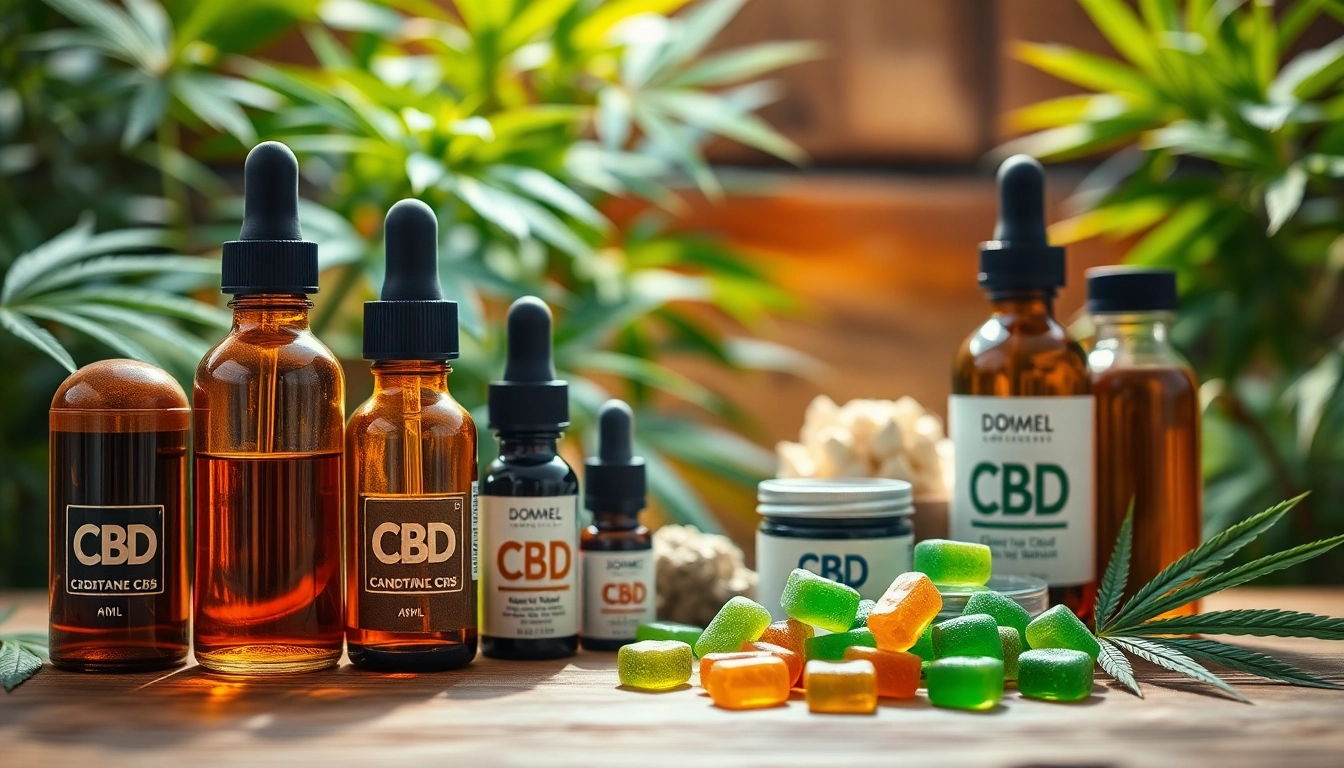
Understanding CBD: Insights into Its Benefits, Uses, and Safety
In the landscape of wellness and natural remedies, CBD has emerged as a prominent compound, capturing the attention of both consumers and researchers alike. Cannabidiol (CBD) is a non-psychoactive compound found in the cannabis plant that is gaining traction for its potential therapeutic benefits. Unlike its counterpart THC (tetrahydrocannabinol), CBD does not induce a high, making it appealing for those seeking relief from various ailments without the psychoactive effects associated with cannabis. This article explores the intricacies of CBD, its benefits, safety concerns, and the current legal landscape surrounding its use in the United States.
What is CBD and How Does It Work?
The Science of CBD
CBD is one of over a hundred cannabinoids identified in the Cannabis sativa plant. It is believed to interact with the body's endocannabinoid system (ECS), a complex network of receptors and neurotransmitters that plays a crucial role in maintaining homeostasis, or balance, in various physiological processes, including mood, pain sensation, and immune response. Research has shown that CBD binds to specific receptors in the ECS, particularly the CB1 and CB2 receptors, though it may do so in a more indirect manner than THC.
The ECS's primary job is to regulate bodily functions through a feedback system that keeps everything in balance. When CBD interacts with this system, it may help to modulate processes like anxiety, inflammation, and pain perception, which holds significant therapeutic potential for various medical conditions.
How CBD Interacts with the Body
Unlike THC, which directly binds to the CB1 receptors predominantly found in the brain, CBD has a more complex mechanism of action. It does not fit neatly into the ECS receptors; rather, it appears to influence them indirectly. This means that CBD can promote a more balanced state without the intoxicating effects often associated with cannabis use. For instance, CBD is thought to inhibit the enzyme that breaks down anandamide, a natural cannabinoid in our body, leading to increased levels of this endocannabinoid, which can result in various therapeutic effects.
The interaction of CBD with other receptors, such as serotonin receptors (5-HT1A), could also elucidate its effects on anxiety and depression, providing a multi-faceted approach in managing these conditions.
Different Forms of CBD Available
CBD products come in numerous forms, each offering varied benefits and modes of administration. Here are some common types:
- Oils and Tinctures: Typically taken sublingually for quick absorption into the bloodstream.
- Capsules and Edibles: Offer a convenient way to consume CBD; however, they may take longer to provide effects due to the digestive process.
- Topicals: Creams, balms, and lotions infused with CBD for localized treatment of muscle and joint pain.
- Vaping: Provides rapid effects but may raise concerns regarding the safety of inhaling vaporized substances.
- Isolates: Pure CBD that does not contain other cannabinoids, appealing to those wanting to avoid THC.
Potential Benefits of CBD
Relief from Anxiety and Stress
Research supports the use of CBD as an effective treatment for anxiety and stress-related disorders. Studies have indicated that CBD may reduce anxiety in both humans and animals, shaping a pathway for its application in treating generalized anxiety disorder, social anxiety disorder, and post-traumatic stress disorder (PTSD). Individuals who experience chronic stress may find CBD beneficial in regulating their physiological response to stressors.
For instance, a clinical trial indicated that participants receiving CBD reported lower anxiety levels when subjected to public speaking tests compared to those who received a placebo, suggesting that CBD may help in scenarios involving heightened anxiety.
Managing Chronic Pain with CBD
Chronic pain is notoriously challenging to manage, often requiring a multifaceted approach. CBD has surfaced as a potential alternative to traditional pain relievers, particularly opioids. The anti-inflammatory properties of CBD can help alleviate pain by interacting with cannabinoid receptors in the ECS, reducing inflammation and regulating nerve signaling. Research has shown that CBD may be effective in alleviating pain associated with conditions such as arthritis, multiple sclerosis, and even cancer.
A study involving patients with multiple sclerosis demonstrated that those treated with CBD experienced reduced symptoms such as muscle spasms and discomfort, underscoring its potential as a viable pain management solution.
Impact on Sleep and Well-being
Poor sleep quality and insomnia are prevalent issues affecting millions. CBD has shown promise in enhancing sleep quality and alleviating insomnia symptoms. It may help to reduce the time it takes to fall asleep and improve overall sleep duration by addressing underlying issues such as anxiety and chronic pain that can hinder restful sleep. A study observed that individuals using CBD reported improved sleep quality and less daytime sleepiness, heralding its potential role in sleep enhancement.
Safety and Side Effects of CBD
Common Side Effects to Be Aware Of
While CBD is widely regarded as safe for many individuals, it can produce side effects, particularly when taken in high doses. Common side effects reported include:
- Dry mouth
- Drowsiness
- Dizziness
- Diarrhea
- Changes in appetite
It is essential for potential users to consult healthcare professionals prior to incorporating CBD into their regimen, especially if they are pregnant, nursing, or have underlying health conditions.
Who Should Avoid CBD?
Despite the promising benefits of CBD, certain individuals should exercise caution or avoid its use entirely. People with a known allergy to cannabis or any of its components should refrain from using CBD products. Additionally, those taking medications that come with a warning regarding drug interactions due to liver metabolization should consult with a healthcare provider, as CBD may interfere with the effectiveness of these medications.
When to Consult a Healthcare Professional
It is advisable to consult healthcare professionals before starting any new supplement, including CBD. This is particularly important for individuals with chronic health conditions, those taking prescription medications, or those whose health status may change. A nuanced approach to integrating CBD into one’s healthcare routine can lead to safe and effective usage.
How to Choose Quality CBD Products
Understanding CBD Labels and Lab Results
With the booming CBD market, consumers must be educated on identifying quality products. Understanding labels is crucial; look for products that provide clear information about the amount of CBD per serving, other cannabinoids present, and whether they have undergone third-party testing. Lab results, often referred to as Certificates of Analysis (COA), should be readily available and accessible, validating the potency and purity of the product.
Finding Reputable Suppliers
Not all CBD products are created equal. It is vital to purchase CBD from reputable suppliers who prioritize transparency and quality. Look for established brands that provide thorough product descriptions, customer reviews, and adhere to Good Manufacturing Practices (GMP). Engaging with brand representatives or seeking recommendations can also help in making informed decisions about purchasing.
Dose Recommendations for Beginners
Determining the right dosage of CBD can be challenging, especially for beginners. Starting low and gradually increasing the dosage is advisable. A general guideline suggests that beginners begin with a dosage of 10-20 mg per day and slowly adjust based on their body’s response. Keeping a journal to track dosage, time of intake, and effects can be helpful in establishing the optimal intake.
Legal Status of CBD in the United States
Federal Regulations on CBD
The legal status of CBD in the United States is intricate and multifaceted. Under the 2018 Farm Bill, hemp-derived CBD containing less than 0.3% THC is federally legal, distinguishing it from marijuana-derived products. Thus, products made from hemp can be marketed and sold within the constraints of federal regulations.
While federally legal, variations in state laws regarding CBD can create confusion among consumers. It is essential to remain informed about both federal and state regulations to ensure compliance.
State Laws to Consider
Each state holds the authority to establish its laws concerning CBD. Some states may have specific restrictions on CBD products, including permitted formulations and allowable levels of THC. Consumers should familiarize themselves with their state's regulations to navigate the landscape of CBD legality effectively.
Future Trends in CBD Legislation
As the public perspective on CBD continues to shift, ongoing discussions regarding its regulation are likely to evolve. Professional organizations and advocacy groups are actively working to push for clearer guidelines and additional research funding. This evolving landscape will be crucial for consumers and businesses as they adapt to the changing regulatory environment.
In conclusion, CBD offers a promising avenue for those seeking natural relief for various conditions, from anxiety to chronic pain. With a growing body of research supporting its benefits and understanding its safety profile, CBD presents an exciting opportunity for innovation and healthcare. However, it remains important for consumers to stay informed and cautious in their use of CBD products to ensure the best outcomes.