
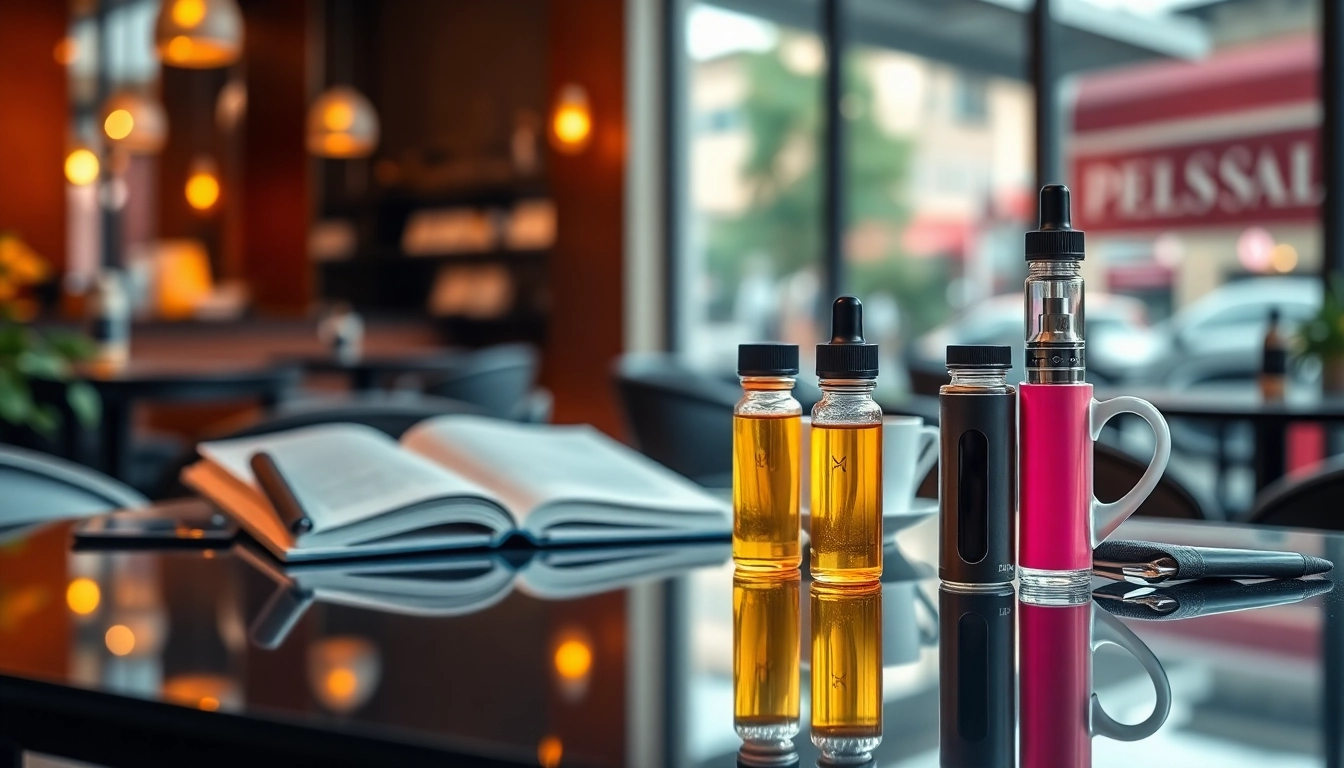
Understanding Vape & E-Liquids
What are Vape & E-Liquids?
The world of vaping has evolved significantly over the years, with Vape & E-Liquids becoming a staple for both recreational and therapeutic users alike. At its core, vape e-liquids are fluid solutions used in vaping devices, or vaporizers, designed to create aerosol through the process of evaporation. This aerosol is inhaled by the user, providing nicotine, flavor, and potentially other forms of beneficial compounds. The appeal lies in the wide-ranging flavor profiles, customizable nicotine levels, and the absence of many harmful components found in traditional tobacco smoke.
Key Components of E-Liquids
Understanding the composition of e-liquids can greatly enhance your vaping experience. The main ingredients that make up vape e-liquids include:
- Propylene Glycol (PG): A colorless, odorless liquid that acts as a base for e-liquids. It is known for its ability to produce a throat hit similar to traditional cigarettes, making it popular among smokers transitioning to vaping.
- Vegetable Glycerin (VG): A thicker, sweeter substance that's derived from vegetables. VG produces denser vapor clouds, catering to those who enjoy cloud chasing in the vaping culture.
- Nicotine: A stimulating and highly addictive substance found in tobacco. E-liquids can vary in nicotine concentration, appealing to users with different preferences and needs.
- Flavorings: These can be natural or artificial substances designed to create the myriad of flavors available on the market. From fruity blends to dessert-inspired concoctions, the choices are virtually endless.
- Additives: Some e-liquids may contain additional agents for enhancing flavor, improving vapor consistency, or providing cooling effects.
Types of Vape & E-Liquids Available
The diversity of vape e-liquids available allows users to personalize their vaping experience. Major categories include:
- Freebase Nicotine E-Liquids: These are the traditional types of e-liquids where nicotine is in its base form. They often provide a harsher throat hit at higher concentrations.
- Nicotine Salt E-Liquids: Utilizing a different form of nicotine, these liquids offer a smoother vaping experience, allowing users to vape higher nicotine concentrations without the throat irritation associated with freebase nicotine.
- CBD E-Liquids: Infused with cannabidiol, these e-liquids are popular among users looking for therapeutic benefits without the psychoactive effects of THC.
- Shortfills: These are bottles filled with e-liquid, leaving space for users to add their nicotine shots, allowing for customization in nicotine strength and ratio.
- Homemade E-Liquids: Some experienced vapers opt to create their own e-liquids, experimenting with flavors and nicotine levels based on personal preferences.
Factors to Consider When Choosing Vape & E-Liquids
Flavor Profiles and Preferences
The flavor is one of the foremost considerations when selecting vape e-liquids. Users should explore various flavor profiles, including fruity, dessert, menthol, and tobacco-inspired options. Understanding personal preferences can help narrow down choices. For newcomers, starting with simpler flavors, such as single fruit options or traditional tobacco, can ease the transition to vaping.
Nicotine Levels Explained
Nicotine strengths in e-liquids can vary widely, typically ranging from 0 mg/mL for nicotine-free options to 50 mg/mL or more in some nicotine salt formulations. Novice vapers should start with lower nicotine levels if they are transitioning from zero-nicotine alternatives. It's essential to consider existing nicotine habits to find the most suitable strength, ultimately enhancing the vaping experience without overwhelming the user.
Quality and Ingredients to Look For
When selecting e-liquids, it's imperative to examine the quality and ingredients. High-quality e-liquid brands use food-grade ingredients and undergo rigorous testing to ensure safety and consistency. Users should be wary of products that do not provide transparency regarding their ingredients or those with unverified claims regarding quality.
How to Properly Use and Maintain Vape & E-Liquids
Best Practices for Refilling
Refilling e-liquids can be a straightforward task, but observing best practices can prevent leaks or flavor cross-contamination. Always ensure that your tank or pod is correctly cleaned before refilling. Choose a nozzle size that fits the tank securely to avoid spills. Avoid overfilling; leaving a bit of air space can prevent pressure buildup that causes leakage.
Device Compatibility Tips
Not all e-liquids are compatible with every vaping device. It’s crucial to match the viscosity of the e-liquid—referring to the PG/VG ratio—with the vaping device's coil type. For example, thicker e-liquids like high VG formulations are better suited for sub-ohm devices, while thinner e-liquids often work best with higher resistance coils.
Storage of E-Liquids for Longevity
Proper storage is essential for extending the shelf life of e-liquids. Store e-liquids in a cool, dark place, away from direct sunlight and heat sources. Keeping e-liquids sealed and away from moisture can further preserve the intended flavor and potency of the nicotine.
Popular Trends in Vape & E-Liquids
New Flavor Innovations in the Market
The vape market is continuously evolving, with flavor innovation taking center stage. Vapers are no longer limited to traditional flavors, and brands are experimenting with unique blends, including exotic fruits, desserts, and even savory combinations. Trends are emerging in pairing flavors that create a sensory experience, appealing to adventurous vapers seeking new tastes.
Nicotine Salt vs. Traditional E-Liquids
The introduction of nicotine salt has fundamentally changed how vapers approach nicotine consumption. Users favor nicotine salt due to its smoothness and high potency, allowing for smaller devices, making it more practical for users who prefer discreet vaping. In contrast, traditional e-liquids are typically used in larger devices and offer a different throat hit experience. Understanding these distinctions can help users choose the best option based on lifestyle and preferences.
The Rise of Organic and Natural Ingredients
In response to increasing consumer demand for health-conscious vaping products, many brands have started creating e-liquids using organic and natural ingredients. This movement is aimed primarily at consumers who are concerned about the potential health impacts of artificial flavorings, additives, and synthetic constituents. As awareness grows, the trend toward organic blends is gaining traction, aligning with a broader move towards overall wellness.
Safety Considerations for Vape & E-Liquids
Understanding Risks and Regulations
The vaping industry, while burgeoning, is also navigating a complex web of regulations and safety concerns. Users must be aware of the potential health risks associated with vaping, including addiction, respiratory issues, and cardiovascular health impacts. Understanding the legal framework surrounding vaping products is vital for consumers to ensure they are purchasing compliant and safe options.
Health Considerations for Users
While vaping is often marketed as a less harmful alternative to smoking traditional cigarettes, it is not without health risks. Users should consider their health history and review available research on the effects of both nicotine and vaping. It's advisable to start at lower nicotine concentrations and carefully monitor one’s response to vaping as a thermodynamic activity.
Choosing Trusted Brands
Selecting e-liquids from reputable brands with transparent manufacturing processes can significantly mitigate risks associated with vaping. Look for brands that test for quality and purity, effectively communicate ingredient sources, and maintain consistent quality control. Consumer reviews and industry certifications can further aid in identifying trustworthy products.