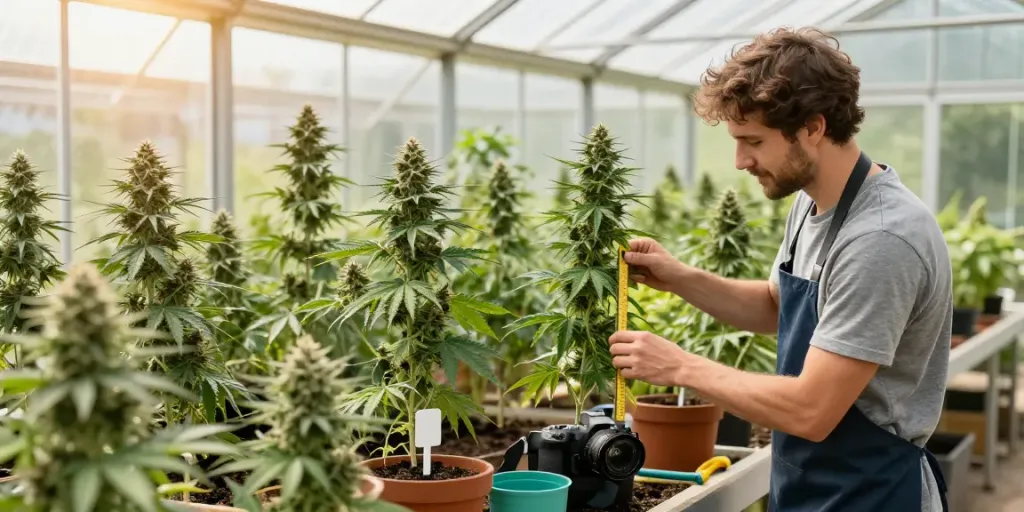
Understanding CBD-rich Cannabis Genetics
In the ever-evolving landscape of cannabis cultivation, one topic stands out for its growing relevance: CBD-rich cannabis genetics. With the increasing awareness of cannabidiol (CBD) among consumers, more growers are seeking to cultivate strains that offer therapeutic benefits without the psychoactive effects commonly associated with cannabis. This article delves into the world of CBD-rich cannabis seeds, exploring their benefits, genetic diversity, and cultivation techniques. When exploring options, CBD-rich cannabis genetics provides comprehensive insights into the strains that can meet your growing needs.
What Are CBD-rich Cannabis Seeds?
CBD-rich cannabis seeds are specifically bred to produce plants with high levels of cannabidiol (CBD) and lower levels of tetrahydrocannabinol (THC). These seeds come from genetic lines selectively bred for their cannabinoid profiles, ensuring a consistent and reliable yield of CBD. Unlike traditional cannabis seeds, which often result in a higher concentration of THC, CBD-focused strains are ideal for users looking for therapeutic benefits without the psychoactive effects.
Benefits of High-CBD Strains
High-CBD strains have garnered attention not only for their therapeutic properties but also for their versatility. Here are some key benefits:
- Pain Relief: Many users report significant relief from chronic pain through CBD's anti-inflammatory properties.
- Anxiety Reduction: High-CBD strains can help alleviate symptoms of anxiety, providing a sense of calm without the drowsiness associated with THC.
- Epileptic Seizure Control: CBD has been shown to reduce seizure activity in some individuals, making it a potential treatment for epilepsy.
- Improved Sleep Quality: Users often experience better sleep and fewer disturbances when using high-CBD strains.
How Genetics Impact Cannabinoid Profiles
The genetics of cannabis plants play a crucial role in determining their cannabinoid profiles. Breeders select parent plants based on their cannabinoid content and desired traits, stabilizing these characteristics over generations. The result is a diverse range of cannabis seeds that offer varying levels of CBD and THC, allowing growers to choose the right strain for their specific needs.
Types of CBD Cannabis Seeds
Feminized vs Regular vs Autoflowering Seeds
When choosing seeds for cultivation, understanding the different types available is essential. Feminized seeds guarantee female plants, which are the ones that produce the flowers rich in cannabinoids. Regular seeds can produce both male and female plants, while autoflowering seeds transition from the vegetative to flowering stage based on age rather than light cycles. Each type serves different cultivation strategies, making it vital for growers to choose based on their growing conditions and goals.
Choosing the Right Seed for Your Grow
Selecting the right seed involves considering several factors, including the growing environment, space, and desired cannabinoid profile. Growers should assess local regulations concerning THC levels, especially if compliance is a concern. Moreover, understanding the flower time and yield capabilities of different strains can help ensure a successful grow.
Comparing CBD to THC Levels in Seeds
When comparing CBD to THC levels in cannabis seeds, it's important to understand that not all CBD strains are created equal. Some strains may have a balanced ratio of CBD to THC, like 1:1 varieties, while others may be higher in CBD and lower in THC. For instance, a strain with a 20% CBD and 1% THC content provides a clear-headed experience, making it suitable for therapeutic use. Growers should carefully read the cannabinoid profiles of the strains they are considering to align them with their intended use.
Genetics and Breeding Techniques
How Breeders Select for CBD-rich Traits
Breeding CBD-rich cannabis strains involves selecting parent plants based on their cannabinoid profiles and desirable traits, such as flavor and flowering time. Breeders often use methods such as backcrossing and hybridization to stabilize these traits over generations, ensuring that offspring consistently show the desired cannabinoid ratios. This precision breeding is crucial as the market demand for CBD-rich strains continues to rise.
Stabilizing CBD Profiles Over Generations
The stabilization process is not merely about achieving high CBD levels; it also includes ensuring that the plants express consistent growth patterns, flavors, and resistance to pests and diseases. Breeders rely on detailed genetic analysis to track the inheritance of desirable traits and make informed selections for future generations of cannabis seeds.
The Role of Environment in Genetic Expression
While genetics dictate the potential cannabinoid profile of a plant, the environment plays an equally important role in expressing these traits. Factors such as light, soil quality, temperature, and humidity can significantly impact the final cannabinoid content. Understanding these environmental factors can help growers optimize their cultivation practices to enhance the therapeutic effects of their yields.
Growing and Cultivating CBD-rich Cannabis
Optimal Conditions for High-CBD Strains
To successfully cultivate CBD-rich cannabis, growers must create an optimal growing environment. High-CBD strains typically thrive in conditions that mirror their natural habitat, which includes:
- Temperature: Maintaining temperatures between 70°F and 85°F throughout the grow cycle.
- Humidity: Keeping humidity levels around 40-50% during the vegetative stage and lowering them to 30-40% during flowering.
- Soil Quality: Utilizing nutrient-rich soil with good drainage to prevent root rot and promote healthy plant growth.
- Light Exposure: Ensuring adequate light exposure, with a 12/12 light schedule during the flowering phase if using photoperiod strains.
Common Challenges in Growing CBD Cannabis
While cultivating CBD-rich cannabis can be rewarding, it comes with its challenges. Common obstacles include maintaining consistent environmental conditions, managing pests and diseases, and ensuring that plants do not exceed legal THC limits. Additionally, understanding local regulations regarding cultivation and THC compliance is crucial for successful cultivation.
Best Practices for Successful Cultivation
To maximize yield and quality, growers should adopt best practices such as:
- Regular Monitoring: Keeping a close eye on environmental conditions and plant health.
- Proper Nutrient Management: Providing balanced nutrients to foster healthy growth and cannabinoid production.
- Pruning and Training: Implementing techniques like topping and low-stress training to improve light penetration and airflow.
- Testing and Certification: Conducting regular lab testing to ensure cannabinoid levels meet expectations and legal requirements.
Future of CBD-rich Cannabis Genetics
Emerging Trends in Genetic Research and Development
The field of CBD-rich cannabis genetics is seeing rapid innovations, with researchers and breeders exploring new breeding techniques and genetic mapping to enhance the quality and consistency of CBD profiles. The focus is becoming increasingly dedicated to unlocking the full potential of non-psychoactive cannabis for medicinal applications.
Predictions for CBD Genetics in 2026 and Beyond
Looking towards 2026, the landscape of CBD-rich cannabis genetics will likely include strains specifically bred for targeted conditions, greater cannabinoid and terpene diversity, and streamlined production processes that cater to both personal and commercial growers. Genetic research could yield new strains that offer even higher CBD content with minimal THC levels.
How Regulatory Changes Impact Breeding Strategies
As regulations around cannabis continue to evolve, breeding strategies will also need to adapt. Breeders must remain agile, ensuring compliance with local laws regarding THC levels while maximizing their strain's therapeutic potential. This flexibility will be critical for meeting market demands and ensuring successful cultivation practices.
What Are the Health Benefits of CBD-rich Cannabis?
The health benefits of CBD-rich cannabis are well-documented and supported by research. These benefits include:
- Neuroprotective Properties: CBD has shown potential in protecting the brain from neurodegenerative diseases.
- Anti-inflammatory Effects: Many users find relief from inflammatory conditions such as arthritis and chronic pain.
- Potential Anti-cancer Properties: Early studies suggest CBD may inhibit tumor growth and promote cancer cell death.
How Can CBD Improve Mental Health?
CBD's ability to reduce anxiety and improve overall mental well-being has made it a popular choice for individuals seeking natural alternatives to pharmaceuticals. Research suggests that CBD interacts with the endocannabinoid system, which regulates mood and stress response, providing a sense of calm and stability.
Is CBD Effective for Pain Relief?
Numerous studies support CBD's efficacy in managing pain, particularly chronic pain conditions. Its anti-inflammatory properties play a key role in reducing discomfort at a cellular level, making it an attractive option for those seeking alternative pain management solutions without the side effects associated with traditional pain medications.
Can CBD Help with Anxiety Management?
CBD's anxiolytic properties offer promising results for individuals struggling with anxiety disorders. Clinical trials have demonstrated that CBD can significantly reduce anxiety in both human and animal studies, making it an effective option for everyday stress management.
How Do CBD-rich Strains Compare to THC-dominant Strains?
CBD-rich strains stand in stark contrast to THC-dominant strains, particularly in their effects and applications. While THC can produce a psychoactive high, CBD provides therapeutic benefits without intoxication, making it appealing for both recreational and medicinal users. This characteristic enables users to experience the benefits of cannabis without the high.
What Local Laws Affect CBD Cultivation?
Before embarking on cultivating CBD-rich cannabis, it is essential to familiarize oneself with local laws and regulations, which can vary significantly by state or country. Growers must ensure that their plants remain within legal THC limits to avoid potential legal issues while navigating the complex regulatory landscape of cannabis cultivation.