
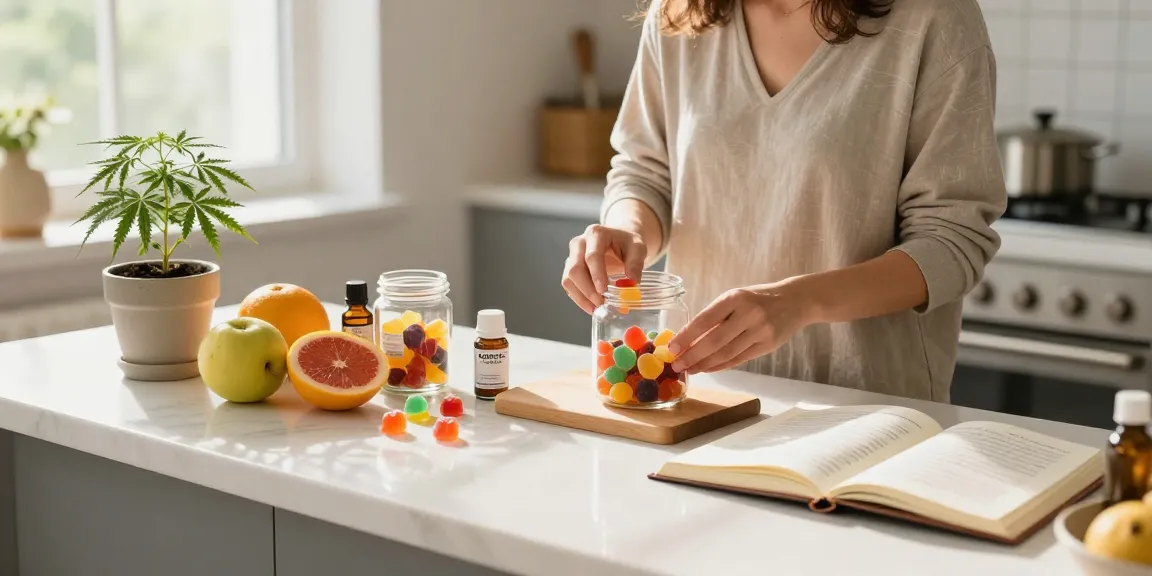
Understanding Edibles: The Basics of THC and CBD
As the wellness industry continues to evolve, the incorporation of cannabis-derived products, notably edibles, has garnered significant attention. Edibles offer an alternative way to experience the therapeutic effects of cannabinoids while catering to personal preferences in consumption methods. These products, which include items like gummies and chocolates infused with THC and CBD, can provide an array of health benefits while presenting a unique metabolic path that differs from other consumption options such as vaping.
When exploring options, edibles uk provides comprehensive insights that enhance your understanding of the various effects and experiences associated with edible consumption. With a focus on safety, dosage, and the experiences that users can expect, this guide aims to illuminate the nuances of enjoying edibles responsibly and effectively.
What are THC Edibles and How Do They Work?
THC edibles are food products that have been infused with tetrahydrocannabinol (THC), the psychoactive compound in cannabis known for producing a euphoric high. Unlike other methods such as smoking or vaping, where THC enters the bloodstream quickly, edibles undergo a digestive process. This means that when you consume THC orally, it is metabolized by the liver, converting it into 11-hydroxy-THC, a compound that offers more potent effects and a longer duration.
The Differences Between Edibles and Other Consumption Methods
One of the most fundamental differences between edibles and other consumption methods like vaping or smoking is the onset time and duration of effects. While the latter methods can deliver effects almost instantly, typically within minutes, edibles may take anywhere from 45 to 90 minutes to kick in. This delay occurs due to the digestive process, which is why patience is crucial for new users. Once the effects begin, they can last significantly longer—ranging from 4 to 8 hours—depending on the individual’s metabolism, the dosage, and whether food was consumed simultaneously.
Health Benefits of Cannabinoids: What to Expect
Edibles can offer various therapeutic benefits, largely attributed to cannabinoids such as THC and CBD. Users have reported positive outcomes, including:
- Reduced anxiety and stress levels
- Improved sleep quality and relief from insomnia
- Alleviation of pain and inflammation
- Enhanced focus and mental clarity
- Post-workout recovery
However, individual responses can vary, and it is vital to consult with a healthcare professional prior to using cannabinoid edibles, especially for those with pre-existing conditions or who are taking medication.
Choosing the Right Dosage for Edibles
Starting Low and Slow: Safe Consumption Guidelines
When incorporating edibles into your wellness regime, the cardinal rule is to “start low and go slow.” For beginners, it is advisable to start with a low dosage of 5 to 10 mg of THC. This approach allows you to gauge your body’s reaction to cannabinoids without overwhelming your system. As your tolerance develops, you can gradually increase your dosage as needed.
How to Calculate Your Ideal THC Dosage
Calculating your optimal THC dosage can involve considering various factors such as your body weight, tolerance level, and the specific effects you seek. A general recommendation is to consume 1 to 2 mg of THC per 10 pounds of body weight, adjusting upward as necessary based on your experience. It is worth noting that edibles come in portions (like gummies) that can be easily divided to allow for precise dosing.
Common Mistakes and How to Avoid Them
Many first-time users stumble into common pitfalls that can lead to uncomfortable experiences. One major mistake is consuming additional servings too soon, thinking the initial dose was ineffective. Most effects won’t be felt for at least an hour; waiting for at least 2 hours before consuming more is advisable. Another common error is underestimating the potency of edibles, particularly commercially produced products that can vary greatly in THC concentration.
Quality Indicators: What to Look for in Edibles
Understanding Lab Testing and COA Importance
To ensure the safety and efficacy of cannabis edibles, reputable brands will provide a Certificate of Analysis (COA) that confirms the potency and purity of their products. These documents show results from independent lab testing for cannabinoids, contaminants, and residual solvents, offering consumers essential information to make informed choices.
Organic Sourcing: Why It Matters for Your Health
Choosing edibles that are organically sourced is important for health-conscious consumers. Organic products are grown without the use of harmful pesticides and synthetic fertilizers, ensuring that you consume clean and safe ingredients.
Identifying Reputable Brands and Products
Selecting reputable brands can mitigate the risk of low-quality or counterfeit products. Look for transparency in sourcing, clear labeling, third-party testing, and positive customer reviews. Brands that prioritize consumer safety typically exhibit a commitment to quality manufacturing practices.
Safe Usage and Storage Practices for Edibles
How to Properly Store Your CBD Edibles
For maximum effectiveness and longevity, it is crucial to store your edibles in a cool, dry environment, avoiding direct sunlight. Ideally, keep them in their original packaging or seal them tightly in an air-tight container to maintain potency and flavor.
Legal Compliance and What You Should Know (2026 Regulations)
The regulatory landscape for cannabis edibles is evolving. In the United States, the 2018 Farm Bill legalized hemp-derived cannabis products containing less than 0.3% THC on a dry weight basis. However, specific state regulations, including age restrictions and production guidelines, vary widely. Therefore, staying informed about local laws is essential for compliance and safe usage.
Recognizing Side Effects and Interactions with Other Substances
While many people enjoy the benefits of edibles, potential side effects such as drowsiness, dry mouth, and digestive changes can occur. It is also important to be aware of possible drug interactions, notably with blood thinners and medications for seizures. Pregnant and breastfeeding individuals should consult healthcare professionals regarding the safety of THC consumption during this time.
Frequently Asked Questions about Edibles
What Should I Know Before Trying Edibles?
Before trying edibles, understand how they differ from other cannabis products in terms of onset time and effects. Always start with a low dose and give it ample time to take effect before consuming again to avoid overwhelming experiences.
How Long Do the Effects of Edibles Last?
The effects of edibles can last anywhere from 4 to 8 hours, depending on the individual and the dosage taken. Factors like metabolism and whether food was eaten beforehand can influence the duration and intensity of the experience.
Can Edibles Be Dangerous?
While generally safe when consumed responsibly, edibles can pose risks if overconsumed, especially for inexperienced users. Symptoms of overconsumption include anxiety, paranoia, and significant sedation. Always consume in a controlled environment and avoid mixing with alcohol or other drugs.
Are There Different Types of Edibles to Consider?
Yes, edibles come in various forms, including gummies, chocolates, beverages, and baked goods, each with unique effects and onset times. Even within a category, the potency can vary significantly; hence, reading labels and understanding individual products is vital.
How Do I Read a Certificate of Analysis?
A Certificate of Analysis provides detailed information about the cannabinoid profile and contaminants of a product. It typically lists percentages of THC and CBD, along with tests for pesticides, heavy metals, and residual solvents. Understanding this document empowers consumers to make informed decisions based on verified data.