
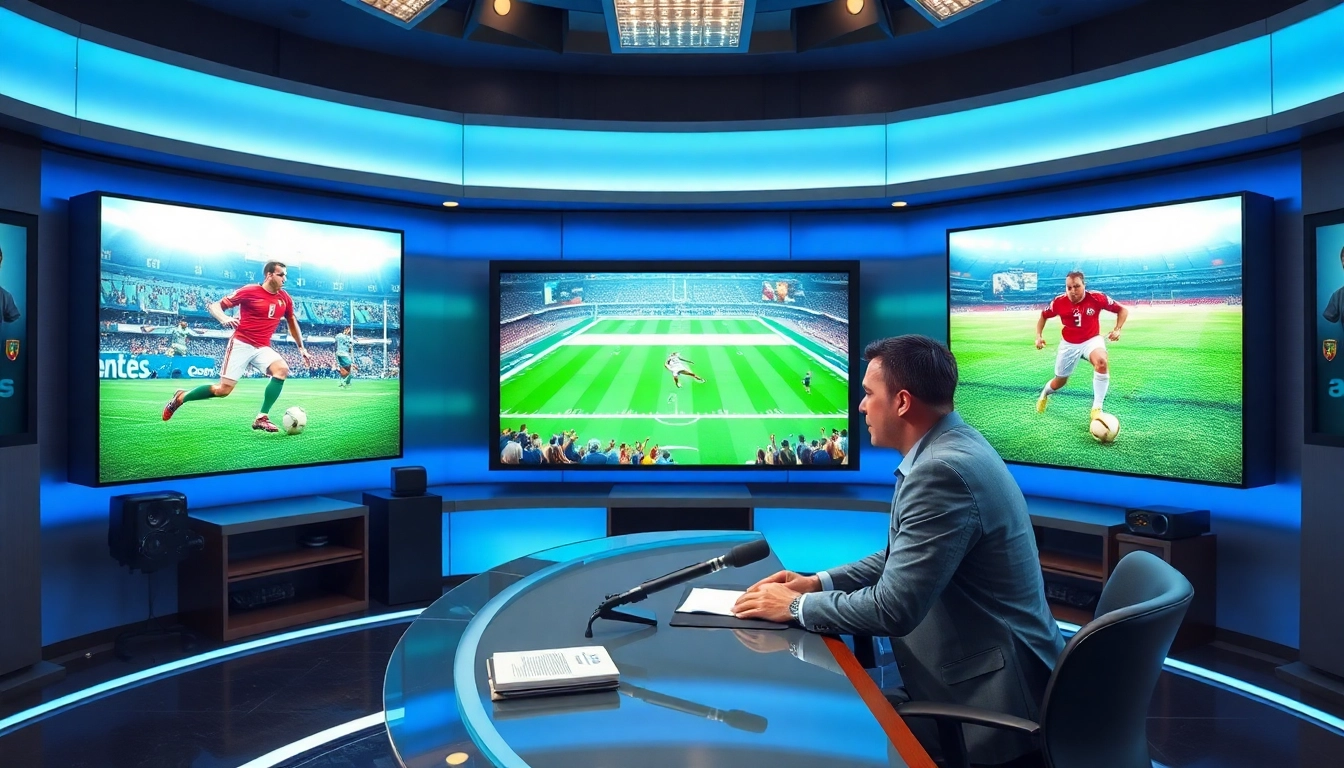
Understanding the Fundamentals of Sports Broadcasting
Sports broadcasting is an intricate field that connects fans with their beloved athletes and teams, providing them with real-time updates, insights, and entertainment. At its core, it merges the love for sports with the art of storytelling, utilizing various platforms to deliver engaging content. The realm of Sports Broadcasting plays a significant role in modern media, shaping how audiences consume sports and interact with their favorite events.
The Role of Sports Broadcasting in Modern Media
Sports broadcasting serves as a bridge between the sporting world and fans globally. It is not merely about relaying the score of a game; it encompasses a broader narrative, which includes player backstories, expert commentary, in-depth analysis, and even interactive elements that enrich the viewing experience. In a society where digital content consumption is increasing, the importance of sports broadcasting cannot be overstated. It shapes fans’ perceptions, influences sporting culture, and creates a shared community experience.
Key Skills Required for Sports Broadcasters
Professionals looking to break into sports broadcasting must cultivate a diverse set of skills that go beyond mere presentation. Key skills include:
- Communication Skills: Articulating thoughts clearly and engagingly is crucial.
- Analytical Thinking: Understanding game strategies and statistics helps provide valuable insights.
- Technical Proficiency: Familiarity with broadcasting equipment and software is essential for smooth operations.
- Storytelling Ability: Crafting compelling narratives keeps audiences invested.
- Adaptability: Adjusting to fast-paced and unexpected developments during live broadcasting.
Career Paths in Sports Broadcasting
Sports broadcasting offers a variety of career pathways, from on-screen personalities to behind-the-scenes roles. Some key positions include:
- Sports Commentator: Provides live analysis and play-by-play commentary during broadcasts.
- Sports Journalist: Covers sporting news, events, and athlete interviews for print and digital platforms.
- Video Producer: Manages the technical aspects of broadcasting, including camera work and editing.
- Program Director: Oversees broadcasting schedules and content programming.
- Social Media Manager: Engages fans via digital platforms, promoting content and facilitating communication.
Technological Advancements in Sports Broadcasting
With rapid technological advancements influencing various fields, sports broadcasting has evolved significantly over recent years. Innovations are shaping viewer experiences, enhancing content delivery, and creating new engagement avenues.
The Impact of Streaming Services on Sports Broadcasting
Streaming services have revolutionized how sports content is consumed. Traditional cable television is facing tough competition from platforms that offer on-demand sports content. Viewers now seek flexibility, allowing them to watch games whenever and wherever they choose. Additionally, streaming services frequently provide exclusive content, such as behind-the-scenes footage and interactive fan experiences, thus enriching the overall experience.
High-Definition Broadcasting and Its Benefits
High-definition (HD) broadcasting has transformed the visual landscape of sports. Enhanced picture quality, sharper details, and vibrant colors improve viewer engagement. Beyond just aesthetics, HD makes it easier for audiences to follow fast-paced sports by clearly capturing crucial moments. Moreover, advancements like 4K provide even richer experiences, enticing fans to invest in better viewing equipment for home entertainment.
Using Social Media to Enhance Sports Broadcasting
Social media is a powerful tool for sports broadcasters, serving as an extension of traditional broadcasts. Platforms like Twitter, Instagram, and Facebook allow broadcasters to interact with fans in real time, share highlights, and promote upcoming events. Engaging with audiences through Q&A sessions, polls, and live updates can significantly enhance the fan experience and foster community spirit around sports events.
Strategies for Effective Sports Broadcasting
Effective sports broadcasting goes beyond just delivering news and updates. It is about creating a captivating experience that engages viewers and keeps them coming back for more. Here are strategies that can elevate sports broadcasting:
Engaging Your Audience with Interactive Content
Interactive content, such as polls, quizzes, and live chats during games, encourages viewer participation and fosters a sense of community. Encouraging fans to share their opinions can make them feel valued and included. Incorporating technology that allows real-time feedback, such as live Twitter feeds during broadcasts, enhances viewer engagement and keeps the content fresh and dynamic.
Analyzing Viewer Behavior in Sports Broadcasting
Understanding viewer behavior is key to tailoring content that resonates with audiences. Utilizing analytics tools can help broadcasters track viewer preferences and engagement metrics. This data can inform decisions about the types of programs to produce, optimal broadcasting times, and effective promotional strategies. Tailoring content based on such insights can lead to higher viewer retention rates and a more loyal audience base.
Best Practices for Live Commentary and Analysis
Live commentary is a crucial element of sports broadcasting, requiring broadcasters to be both knowledgeable and articulate. Key best practices include:
- Stay informed about player statistics and team strategies.
- Keep commentary concise to maintain viewer attention.
- Use descriptive language to paint a vivid picture of the action.
- Engage co-commentators in discussions to provide diverse perspectives.
Challenges Faced in Sports Broadcasting
While sports broadcasting is filled with opportunities, it is also met with various challenges that professionals must navigate to produce high-quality content.
Navigating Legal and Ethical Issues in Broadcasting
Broadcasters must adhere to various legal regulations, including copyright laws related to broadcasts and athlete image rights. Ethical considerations also arise, such as ensuring fair coverage of all teams and athletes. Broadcasters should provide balanced analysis and be mindful of how their content may influence public perception and discourse around athletes and events.
Overcoming Technical Glitches During Live Events
Technical issues can be detrimental during live broadcasts, forcing quick-thinking solutions. Broadcasters must prepare for potential glitches by having backup plans and technical support staff ready to troubleshoot issues promptly. Regular equipment checks and updates before major events can also minimize the risk of disruptions, ensuring a smooth viewing experience for the audience.
Managing Viewer Expectations and Feedback
With the rise of social media, viewers have become vocal about their expectations and opinions regarding broadcasts. Broadcasters should be prepared to manage feedback, both positive and negative, in a constructive manner. Addressing viewer concerns transparently and demonstrating responsiveness can enhance trust and build a loyal following.
The Future of Sports Broadcasting
The landscape of sports broadcasting is continuously evolving, driven by technological advancements and changing viewer preferences. Understanding upcoming trends is crucial for broadcasters looking to stay ahead in this competitive industry.
Predictions for Emerging Trends in Sports Broadcasting
Some emerging trends include increased personalization of content through AI-driven recommendations, the rise of virtual and augmented reality experiences, and a further shift to mobile viewing. Broadcasters who adapt to these trends and leverage innovative technologies will likely lead the charge in shaping the future of sports broadcasting.
The Role of Artificial Intelligence in Broadcasting
Artificial intelligence (AI) is poised to revolutionize sports broadcasting by providing advanced analytics, enhancing viewer engagement through personalized content, and automating various production tasks. These capabilities allow broadcasters to focus more on storytelling and less on repetitive tasks, improving the overall quality of broadcasts.
Enhancing Accessibility in Sports Broadcasting
Creating accessible content is essential in reaching a broader audience. This includes offering closed captions, audio descriptions, and options for different languages. Enhancing accessibility ensures that all fans can enjoy sports broadcasts, regardless of their abilities, fostering inclusivity within the sporting community.
Frequently Asked Questions
What skills are essential for a career in sports broadcasting?
Key skills include strong communication, analytical thinking, technical proficiency, storytelling, and adaptability to dynamic environments.
How has technology changed sports broadcasting?
Technology has improved production quality, introduced streaming services, and facilitated audience interaction via social media platforms.
What are the common challenges in sports broadcasting?
Common challenges include navigating legal issues, managing technical glitches, and handling viewer expectations and feedback effectively.
How can sports broadcasters enhance audience engagement?
Sports broadcasters can enhance engagement using interactive content, analyzing viewer behavior, and providing rich commentary and analysis.
What does the future hold for sports broadcasting?
The future may include AI integration, personalized content delivery, and more immersive experiences through technology like VR and AR.